
Blog
 15 Sep 2025
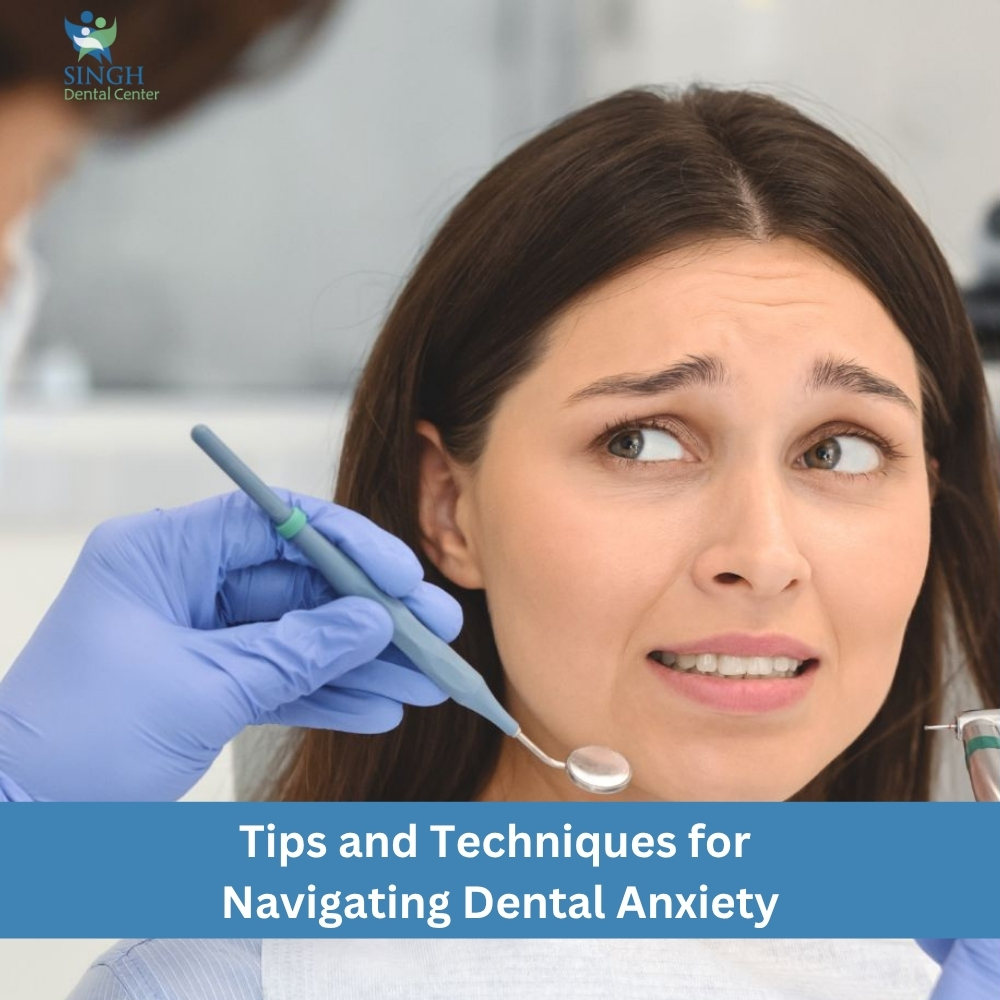
Tips and Techniques for Navigating Dental Anxiety
- Dental anxiety is manageable through clear communication, relaxation techniques, and building positive associations that empower patients to approach care with confidence.
- Preventive visits, distraction methods, and supportive environments reduce fear, making dental treatment less stressful and more approachable for patients of all ages.
- Singh Dental Center prioritizes compassionate care, helping patients overcome dental anxiety with personalized treatment options designed to ensure comfort and long-term oral health.
Dental anxiety affects a large portion of the population, often leading people to delay or even avoid necessary treatment. While many know that regular dental care supports oral health, the fear of pain, judgment, or loss of control can create a barrier. Left unaddressed, dental anxiety can result in declining oral health, which then increases the likelihood of needing more extensive treatment.
Overcoming dental anxiety requires more than reassurance. It calls for practical strategies, personal awareness, and supportive care environments that address both the physical and emotional aspects of treatment. Patients benefit most when they understand their fears, communicate openly, and use proven techniques to ease discomfort.
Dentists who create compassionate environments can make an enormous difference for anxious patients. This blog explores both patient-driven and dentist-supported strategies to help anyone navigate dental anxiety with greater confidence.
Understanding Dental Anxiety at Its Core
Dental anxiety is not limited to fear of pain. It can stem from multiple sources, including past negative experiences, stories from others, embarrassment about oral health, or even a general sense of vulnerability when in the dentist’s chair. Some people experience mild unease, while others may have a more severe reaction, often called dental phobia, that makes it extremely difficult to attend appointments.
Recognizing what triggers the anxiety is an important first step. For some, it may be the sound of drills, while others may feel stress around needles, financial worries, or a lack of trust in dental professionals. Once the source is identified, targeted strategies can be developed.
Patients should also understand the difference between discomfort and anxiety. Discomfort relates to physical sensations, while anxiety is psychological, often amplifying the perception of pain. This distinction can help individuals prepare better coping mechanisms before and during appointments.
The Role of Communication
One of the strongest tools in addressing dental anxiety is open communication. Many patients hesitate to speak about their fears, thinking it might seem childish or unreasonable. In reality, most dental professionals expect and understand patient concerns. When patients explain their fears clearly, dentists can adapt treatments, slow down procedures, and use alternative techniques that make the process smoother.
Discussing signals before treatment begins is a simple but powerful step. For example, agreeing on a hand signal to pause the procedure allows patients to feel a sense of control. Patients can also ask dentists to explain each step before it happens or request that only essential details be shared to avoid overwhelming information. It is important that patients understand they can be open about their fears about the procedure, and they should, in fact, discuss it with their dentists.
Trust builds through consistent communication. When patients feel that their concerns are taken seriously, anxiety levels reduce, and the perception of safety increases.
Techniques for Calming the Mind Before an Appointment
Preparing mentally before a dental visit makes it easier to approach the appointment with steadiness and confidence. Many patients find that intentional techniques practiced ahead of time help reduce stress responses and create a sense of calm. Here are five effective methods:
Deep Breathing Practice
Slow, rhythmic breathing helps regulate the nervous system. Inhaling deeply through the nose, holding briefly, and exhaling slowly through the mouth reduces heart rate and lowers muscle tension. Patients who rehearse this before appointments can access calm more easily when sitting in the dental chair.
Guided Visualization
The mind responds strongly to imagery. Patients can picture themselves in a setting where they feel relaxed, such as a beach or a quiet garden. Focusing on the sights, sounds, and sensations of that space reduces the mental focus on fear and creates a sense of safety.
Progressive Muscle Relaxation
Anxiety often triggers physical tension. Progressive muscle relaxation involves tensing and then releasing different muscle groups, starting from the toes and moving upward. This method helps patients recognize areas of tension and actively let go of it before treatment begins.
Positive Affirmations
Replacing anxious thoughts with supportive statements helps shift perspective. Simple affirmations like “I am safe in this chair” or “Each step brings me closer to better health” can reduce feelings of helplessness and provide reassurance in moments of worry.
Mindful Preparation Rituals
Creating a calming routine before an appointment reinforces a sense of control. Patients might listen to soothing music, take a short walk, or practice meditation on the way to the office. These rituals signal to the mind that it is safe to transition into care.
 Practical Strategies During Dental Visits
 Practical Strategies During Dental Visits
Once at the dental office, specific techniques can help manage feelings of anxiety. Many patients benefit from distraction methods, such as listening to calming music or podcasts through headphones. This helps mask sounds associated with treatment and shifts focus away from the procedure itself.
Physical comfort also plays a role. Bringing a blanket, wearing comfortable clothing, or holding a stress ball can provide grounding sensations that reduce tension. Patients may also ask for short breaks during longer procedures to avoid feeling overwhelmed.
Dentists can support these strategies by checking in frequently, explaining sensations before they occur, and using pain control methods suited to the individual. Numbing gels before injections, sedation options, or gentle approaches to cleanings can all reduce discomfort and prevent escalation of anxiety.
Building Positive Associations with Dental Care
Repeated negative experiences can deepen anxiety, while small positive experiences can gradually reshape perceptions. Patients who schedule shorter, less invasive visits at first may find it easier to rebuild trust. Even a simple cleaning done in a supportive environment can create a sense of achievement that encourages further care.
Rewarding oneself after a successful appointment also reinforces positive associations. This might include treating oneself to a relaxing activity, enjoying a favorite meal, or simply acknowledging the courage it took to attend the appointment. Over time, this shift in perspective makes it easier to approach future visits.
Parents of young children can also influence long-term attitudes. Modeling calm behavior, framing dental visits as positive experiences, and avoiding language that suggests pain or punishment helps children build healthy habits without fear.
When Professional Support Becomes Essential
For some individuals, anxiety reaches a level that requires professional intervention. Psychologists or counselors trained in cognitive-behavioral therapy (CBT) often help patients challenge anxious thoughts and reframe perceptions around dental care. Hypnotherapy and desensitization techniques can also be effective in reducing phobic reactions.
Dentists who specialize in treating anxious patients may offer sedation dentistry, ranging from mild oral sedatives to intravenous options for more complex cases. While not always necessary, these approaches can be life-changing for patients who have avoided treatment for years.
Importantly, professional support should never be seen as a weakness. Seeking help to manage dental anxiety is an act of responsibility that protects both oral and overall health.
The Importance of Preventive Care
One often-overlooked aspect of dental anxiety management is prevention. When patients avoid routine care, small issues can develop into painful and complex conditions that require longer treatments. This reinforces anxiety and creates a cycle of avoidance.
Committing to preventive care reduces the likelihood of serious problems. Regular cleanings, fluoride treatments, and early cavity detection all minimize the need for invasive procedures. For anxious patients, knowing that preventive care often shortens and simplifies appointments can provide additional motivation to attend.
Dentists can also use preventive visits to slowly build patient comfort. These appointments usually involve less invasive steps, giving patients time to adjust and establish trust without overwhelming stress.
Creating a Supportive Environment
Dental offices can play a crucial role in reducing patient anxiety. A welcoming atmosphere, friendly staff, and clear explanations all contribute to easing tension. Practices that invest in calming décor, soothing music, and comfortable seating create an environment that feels less clinical and more supportive.
Beyond aesthetics, the attitude of staff members makes the biggest difference. When team members greet patients warmly, listen without judgment, and provide reassurance, patients are more likely to feel cared for. An office culture built around empathy has long-term effects on patient loyalty and trust.
Empowering Patients to Take Control
Ultimately, navigating dental anxiety involves empowering patients with knowledge, tools, and confidence. Rather than feeling like passive participants, patients should recognize their active role in their own care. Asking questions, voicing preferences, and setting boundaries strengthens a sense of control, which reduces fear.
Education also contributes to empowerment. Understanding why treatments are necessary and how they benefit overall health helps reduce uncertainty. Patients who feel informed are less likely to catastrophize situations, which decreases the intensity of their anxiety.
Taking gradual steps, such as booking consultations without procedures or starting with short cleanings, can also help patients regain control over their dental care journey.
Long-Term Benefits of Addressing Dental Anxiety
Addressing dental anxiety provides benefits that extend far beyond oral health. Patients who maintain regular dental visits often report improved self-confidence, better systemic health, and fewer financial burdens from unexpected emergency care.
Emotional well-being also improves when anxiety decreases. The relief of being able to schedule appointments without fear brings a sense of accomplishment and freedom. This confidence often translates into other areas of life, reinforcing resilience and emotional strength.
Communities benefit as well when dental anxiety is addressed. Public health improves when preventive care is accessible, and patients who feel supported are more likely to encourage friends and family to seek regular treatment.
Bringing It Together
Dental anxiety is a common but manageable challenge. Patients who explore relaxation techniques, communicate openly with their dental providers, and build positive associations can break cycles of fear and avoidance. Dentists who create compassionate environments further support these efforts, ensuring that oral health is not sacrificed to anxiety.
With consistent effort, dental anxiety can shift from a barrier to a manageable concern. Patients gain not only healthier smiles but also the confidence to approach dental care with resilience and calm.
At Singh Dental Center, we understand dental anxiety and provide gentle, compassionate care tailored to your comfort. From clear communication to advanced treatment options, we help you feel at ease while protecting your oral health. Schedule your visit with us today.
 23 Jan 2025
Top 10 Dental Care Tips for Families in Tracy, Ca
Top 10 Dental Care Tips for Families in Tracy, California
Maintaining good oral health is a family affair. Whether you’re teaching your kids the basics or trying to improve your own habits, adopting effective dental care routines can make a world of difference. At Singh Dental Center, we believe that healthy smiles start at home, so we’ve put together the top 10 dental care tips for families in Tracy, California. These practical suggestions will help keep your family’s teeth healthy and beautiful for years to come.
1. Brush Your Teeth Twice a Day for Better Oral Health
The foundation of good oral health is brushing your teeth at least twice daily. Use a fluoride toothpaste and a soft-bristled toothbrush to remove plaque and prevent cavities. For long-lasting dental health, explore advanced care options like veneers to protect and enhance your smile.
2. Floss Daily to Prevent Cavities and Gum Disease
Flossing is just as important as brushing. It removes food particles and plaque from between teeth, where toothbrushes can’t reach. Teach your kids to floss early, and make it a daily family routine to prevent the need for future treatments like root canals.
3. Replace Toothbrushes Regularly to Maintain Clean Teeth
Worn-out toothbrushes don’t clean effectively. Replace your family’s toothbrushes every three months or sooner if the bristles are frayed. Proper tools lead to a healthier smile and reduce the chances of needing procedures like tooth extractions.
4. Eat a Healthy Diet to Protect Your Teeth
What your family eats directly impacts their oral health. Limit sugary snacks and drinks, which can lead to cavities. Instead, encourage crunchy fruits and vegetables like apples and carrots, which naturally clean teeth while providing essential nutrients. For cosmetic enhancements, consider cosmetic dentistry options that can keep your smile bright and healthy.
5. Drink Fluoridated Water for Stronger Teeth
Tap water in Tracy often contains fluoride, which helps prevent tooth decay. Drinking water not only hydrates your family but also rinses away food particles and bacteria, keeping your teeth strong and reducing the need for procedures like dentures.
6. Use Mouthguards to Protect Teeth During Sports
If your kids are active in sports, protect their smiles with custom mouthguards. Accidents happen, and a mouthguard can prevent serious dental injuries. This is especially important to avoid costly treatments such as crowns for damaged teeth.
7. Don’t Ignore Dental Pain—Visit Your Dentist
If anyone in your family experiences tooth pain, don’t wait to see a dentist. Early intervention can prevent small issues from becoming bigger, more expensive problems. Options like sedation dentistry can make treatments more comfortable for nervous patients.
8. Schedule Regular Dental Check-Ups in Tracy, CA
Routine dental visits are essential for maintaining oral health. At Singh Dental Center, we recommend bi-annual check-ups to catch issues early, clean hard-to-reach areas, and ensure your family’s smiles stay healthy. Schedule an appointment to learn about preventative care options.
9. Teach Kids Proper Brushing and Flossing Techniques
Make sure your kids learn the correct way to brush and floss. Demonstrate how to brush in small circular motions and to floss gently between each tooth. Starting these habits young can prevent the need for advanced treatments later in life, such as Invisalign to correct misaligned teeth.
10. Make Dental Care Fun for the Whole Family
Encourage your kids to take ownership of their dental health by making it enjoyable. Use reward charts, colorful toothbrushes, or dental-themed books to keep them engaged. A healthy attitude toward dental care can save your family from needing extensive restorative treatments.
Trusted Family Dental Care in Tracy, California
At Singh Dental Center, we’re proud to serve families in Tracy, California, with compassionate, professional care. By following these tips and visiting us regularly, you can ensure your family’s smiles remain healthy and bright for years to come.
Ready to schedule your next dental appointment? Contact us today to give your family the best care possible!